
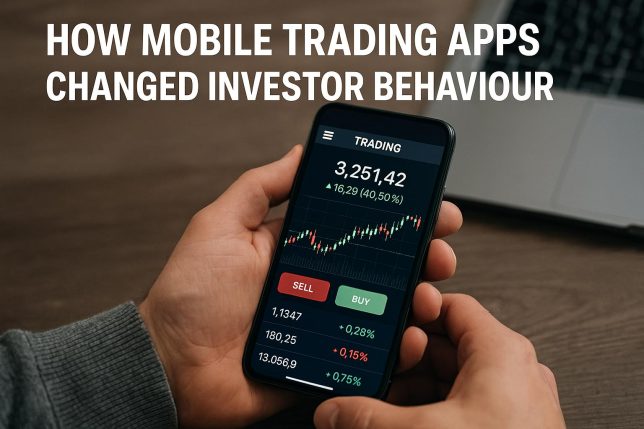
The Rise of Mobile Trading Apps
In recent years, the advent of mobile trading apps has ushered in a new era in the way people interact with financial markets. This profound transformation has not only democratized access to trading but has also significantly reshaped investor behavior and market dynamics. Thanks to the widespread proliferation of smartphones and continuous technological advancements, anyone with a mobile device can engage in trading stocks, commodities, and numerous other financial instruments from practically any location.
Increased Accessibility and Convenience
The most notable aspect of mobile trading apps is the unprecedented accessibility they provide. Historically, trading was a domain reserved for professional brokers and seasoned investors, often requiring a significant amount of capital and knowledge of the markets. However, the introduction of apps by companies like Robinhood and eToro has lowered these barriers dramatically, enabling even inexperienced investors to participate actively in the market without needing a conventional brokerage service, thereby fostering a whole new generation of traders.
Moreover, the convenience offered by mobile trading apps is a significant game-changer. Investors are no longer confined to trading during traditional business hours or within the walls of a brokerage firm. With trades only a few taps away, users can execute transactions whether they’re on a daily commute, waiting in a queue, or relaxing at home. This ease of access has integrated financial markets into the fabric of daily life, drawing in a younger, more technologically inclined demographic. This shift extends the reach of financial markets to groups who may have traditionally been underrepresented or uninvolved in trading activities.
Changing Investment Strategies
The explosion of mobile trading apps has also led to shifts in investment strategies and methodologies. For starters, the real-time data and sophisticated analytic tools provided by these apps empower investors to make well-informed decisions with remarkable speed. This immediacy has facilitated the rise of short-term trading strategies, such as day trading and swing trading. In the realm of day trading, for example, investors capitalize on intra-day price movements, while swing traders aim to capture gains over a short period.
Furthermore, many mobile trading platforms include social trading features, which allow users to observe and replicate the investment moves of more seasoned traders. This capability has bolstered the trend of community-driven investment strategies, where insights are shared, encouraging collective learning through both triumphs and setbacks. This social aspect of trading makes it more of an interactive experience, helping novice investors learn rapidly from peers.
Impact on Market Volatility
The growing participation of retail investors through mobile trading apps has had a clear impact on market behavior, particularly in terms of volatility and liquidity. With a larger chorus of voices participating in frequent trading, there are occasions when the market experiences increased volatility. The GameStop saga is a prime illustration, showcasing how coordinated actions by retail investors can drive dramatic price movements, catching both institutional investors and analysts by surprise.
While this influx democratizes the trading landscape, it also brings about concerns such as market manipulation and the risk of significant financial losses for inexperienced investors. Education becomes a key tool in helping new investors navigate the complexities and inherent risks associated with market participation. An informed investor is more capable of making prudent decisions, mitigating the common pitfalls that can lead to substantial losses.
Regulatory Considerations
The surge in mobile trading app usage has captured the attention of regulatory authorities across the globe. Discussions persist on how best to ensure these platforms function ethically and transparently. Regulatory bodies are examining a range of measures, such as enforcing transparent fee structures to ensure users are well aware of costs involved, safeguarding user data to protect privacy, and actively preventing fraudulent behavior that could exploit inexperienced traders.
Striking a balance between unfettered market access and robust protection of investor interests is paramount. As online trading platforms become increasingly sophisticated and widespread, regulatory frameworks will likely need to evolve correspondingly to address new challenges and capitalize on emerging opportunities that accompany these technological advancements.
In conclusion, mobile trading apps have significantly reshaped the investment landscape by enhancing access to trading and influencing how investors approach the market. As these platforms rise in popularity, they will continue to mold the future of investor behavior and the dynamics of financial markets. Ultimately, while mobile trading apps have indeed democratized financial markets, there remains a need for continued oversight, education, and responsible usage to ensure they benefit all participants in the rapidly evolving investment ecosystem.
This article was last updated on: April 24, 2026