Copy trading platforms and what they change for investors

Copy trading platforms and what they change for investors

Introduction to Copy Trading Platforms

Copy trading platforms have gained traction in recent years, becoming a staple in modern investment strategies. They offer a unique gateway for individuals who may not have a deep understanding of financial markets, yet wish to participate in trading activities. These platforms enable users to automatically mimic the trading decisions of seasoned experts, thus presenting an innovative solution to the knowledge gap present among many retail investors. By embracing this method, individuals are provided with an opportunity to engage with financial markets in a manner that is both practical and accessible, expanding participation among a broader demographic.

How Copy Trading Platforms Work

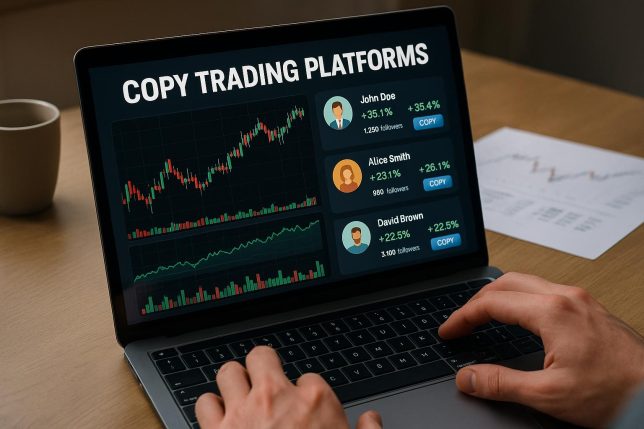
The mechanism behind copy trading is relatively straightforward but profoundly impactful. Users allocate a segment of their investment portfolios to copy the actions of a chosen trader or group of traders. When those traders execute trades, whether buying or selling assets, those decisions are mirrored proportionally in the user’s account. Copy trading platforms facilitate this by supplying detailed profiles of the traders available for copying, complete with performance statistics and trading histories.

These platforms often come equipped with added features that enhance user experience and control. For example, investors may set risk limits to align with their risk tolerance levels, select particular strategies that appeal to their investment goals, and even disengage from a trader when desired. Such customization options empower users to tailor their investments to their preferences while still benefitting from the guidance of experienced traders.

The Impact on Investment Strategies

Copy trading has led to a substantial impact on traditional investment approaches. Typically, successful investing necessitates a rich understanding of market movements, economic indicators, and a capacity for detailed analysis. The introduction of copy trading has altered this dynamic by reducing the complexities associated with market participation, thereby opening up opportunities for a wider audience. This shift democratizes access to financial markets, extending to individuals who might not have the necessary time or expertise to manage investments actively.

This approach also promotes increased diversification. Users of copy trading platforms often follow a mix of traders, each with distinct strategies and risk profiles. Such diversification can serve as a buffer against market volatility, as the varying strategies can balance potential losses with gains. However, this advantage should not underestimate the innate volatility and risks involved in trading, which persist despite the diversification of strategies.

Advantages of Copy Trading

A primary benefit of engaging in copy trading is the educational aspect. By aligning with experienced traders, participants can observe and learn effective decision-making and trading practices in real-time. This exposure offers a valuable learning curve for novices wanting to grasp foundational trading concepts without being solely responsible for market analysis.

Moreover, copy trading platforms grant the luxury of passive investment. Investors can be involved in the financial markets without needing to dedicate significant amounts of time and effort to tracking market trends and conducting exhaustive research. This method of investment caters especially to individuals who may want to generate additional income streams through investments but are constrained by time or resources.

Challenges and Considerations

Despite the apparent advantages, copy trading presents its own set of challenges. The success of this investment strategy is intricately tied to the performance of the traders being copied. A seemingly promising trader might experience periods of underperformance, influencing the investments of their followers. Therefore, selecting traders for copying should be approached with careful scrutiny and an understanding of one’s risk tolerance.

The information offered by copy trading platforms, such as performance metrics and past successes, can be insightful but not predictive. As with any investment based on historical data, there is no assurance that previous achievements will result in future gains. High emphasis on rigorous evaluation of strategies and caution in following traders with inconsistent performance records is necessary.

Regulatory and Ethical Considerations

Regulatory oversight is a critical aspect of operating in the realm of copy trading platforms. Investors must ensure their selected platform adheres to regional financial regulations and possesses the necessary licenses to operate legally. Financial regulations and licensing requirements vary across jurisdictions, and customers must prioritize platforms that are transparent and comply with pertinent oversight to protect their investments.

Moreover, ethical considerations come into play, particularly in evaluating the transparency and integrity of the platforms and traders being followed. Investors should exercise good judgment in selecting credible platforms that maintain high ethical standards in their operations.

Conclusion

The advent of copy trading platforms has signified a transformative change in investment methodologies, significantly widening the net of potential market participants. These platforms serve as a valuable tool for individuals lacking in-depth market knowledge by providing access to the expertise of seasoned traders. Nonetheless, with these opportunities come inherent risks that necessitate a considered approach. Thorough assessment of both platforms and prospective traders, combined with an understanding of the associated risks, is crucial. Those interested in delving further into copy trading should explore additional resources on financial markets and consult platform reviews to make informed decisions.

How retail traders use modern charting platforms

How retail traders use modern charting platforms

Introduction to Modern Charting Platforms

Retail traders increasingly rely on modern charting platforms to analyze and make decisions in the financial markets. These platforms provide comprehensive tools to visualize market data, apply advanced technical analysis, and optimize trading strategies. Unlike in the past, where such tools were only accessible to institutional investors, modern platforms have democratized access, allowing traders of all sizes to harness powerful analytical capabilities.

Features of Modern Charting Platforms

Modern charting platforms come equipped with numerous features designed to assist traders in conducting detailed market analysis. These features are essential for enhancing a trader’s ability to understand markets and make data-driven decisions.

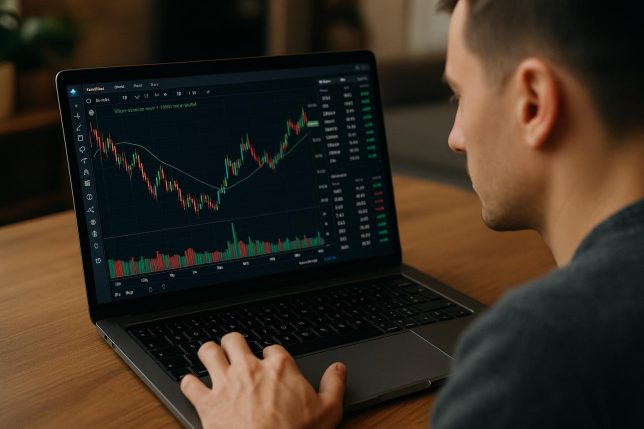
Advanced Chart Types: Apart from the conventional line and bar charts, modern platforms offer candlestick, Heikin-Ashi, and Renko charts, which provide unique insights into price movements. Understanding and using these chart types can assist traders in identifying trends and price patterns more effectively. Each type of chart has its unique set of advantages. For example, candlestick charts can provide insights into market sentiment through visual patterns, while Renko charts help to smooth out noise and emphasize the most significant price trends.

Technical Indicators: Today’s charting platforms often include an extensive library of technical indicators, such as moving averages, RSI, MACD, and Bollinger Bands. These indicators help traders interpret market dynamics and make informed predictions about future price movements. Understanding how to effectively apply and combine these indicators can give traders a competitive edge, as they can analyze past performance and project future trends.

Real-time Data: The integration of real-time data allows traders to access up-to-the-minute price changes and market conditions. This immediacy is crucial for executing timely trades and managing risks effectively. Real-time data empowers traders to act swiftly on emerging opportunities and to protect their positions as market conditions evolve.

Drawing Tools and Annotation Features

Retail traders benefit significantly from the drawing tools and annotation features available on modern charting platforms. These allow traders to mark key support and resistance levels, trend lines, and chart patterns on their charts. This visual representation adds depth to their analysis by making complex data more relatable and understandable at a glance. As traders annotate their charts, they create a personalized map of market dynamics, which can be used to execute disciplined trading strategies.

Customization and User Experience

Customization is a central aspect of modern charting platforms. Traders can tailor the user interface, set their preferred chart preferences, and create personalized watchlists. Many platforms also allow for the integration of third-party apps and plugins, enhancing functionality and offering a tailored user experience. By managing the layout and features to suit their individual needs, traders can work more efficiently and comfortably. This personalization fosters a better user experience, catering to both novice traders and experienced market professionals who might demand more sophisticated tools.

Community and Social Features

Some charting platforms incorporate community and social features, enabling traders to share ideas and strategies with peers. This collaboration often enhances learning opportunities and facilitates collective analysis. Platforms with robust community features can serve as educational resources, especially for novice traders. By interacting with a community of traders, users can exchange knowledge, validate trading strategies, and receive feedback, which accelerates their learning curve and educates them about diverse market perspectives.

Traders can learn more about platforms like TradingView by exploring their official website at TradingView.

The Role of Algorithmic Trading on Charting Platforms

Algorithmic trading has become increasingly prominent among retail traders using charting platforms. Many platforms now support algorithmic trading through APIs or built-in scripting languages, enabling traders to backtest and automate strategies. This combination of technical analysis with algorithmic execution enhances efficiency and removes emotional biases from trading.

Algorithmic trading allows traders to develop models that automatically enter and exit trades based on predefined criteria. By doing so, traders can implement complex strategies that go beyond manual analysis and execution. This capability allows traders to capitalize on short-lived market opportunities and respond to dynamics without human error or fatigue.

Conclusion

In conclusion, modern charting platforms provide retail traders with a powerful suite of tools for analyzing financial markets. With features such as advanced chart types, technical indicators, real-time data, and customization options, these platforms are indispensable for traders seeking to optimize their strategies and improve their trading performance. In the future, as technology continues to advance, the capabilities of these platforms are expected to grow, offering even more sophisticated tools for retail traders.

Through continued refinement and innovation, charting platforms will likely incorporate greater automation capabilities, enhanced data integration, and more robust analytical tools. The increasing reliance on data science and machine learning may also open new, previously unexplored possibilities for traders. As a result, modern charting platforms not only serve as crucial tools for current trading but also as a promising glimpse into the potential future of retail trading.