The rise of fintech platforms for self directed investors

The rise of fintech platforms for self directed investors

The Growth of Fintech Platforms

The landscape of investing has undergone a significant transformation with the introduction and growth of fintech platforms. These technological innovations have reshaped the way individuals engage with their investments, enabling self-directed investors to take control of their financial journeys. By providing tools and resources traditionally reserved for the professional sphere, fintech platforms empower investors of all levels with the knowledge and capabilities to manage their portfolios effectively.

Understanding Fintech Platforms

Fintech, an amalgamation of finance and technology, signifies the incorporation of modern technological advancements into the financial sector to streamline and enhance financial services and operations. Fintech platforms are the embodiment of this integration, offering users the ability to engage directly with financial markets. Through these platforms, investors have access to various products, encompassing everything from traditional stocks and bonds to more contemporary offerings like cryptocurrencies. The systems are designed to cater to the needs of modern investors by concentrating a suite of services—spanning research, trading, and analysis—within a single, user-friendly interface.

Key Features and Benefits

One of the most profound impacts of fintech platforms is the democratization of investing. In the past, access to a full array of investment opportunities was largely limited to those with significant resources and professional connections. Fintech platforms have shattered these barriers. They offer broad access to a diverse range of financial instruments, ensuring that retail investors can now easily obtain access to markets and opportunities once considered exclusive.

The cost structure of these platforms is another appealing factor. Traditional brokerage services tend to come with hefty fees, which can eat into potential returns. In contrast, fintech platforms often charge lower fees, making the process of investing more accessible and cost-efficient. This reduction in costs allows investors to retain more of their capital and potentially enhance their net returns over time.

Analytical capabilities are another considerable advantage. Fintech platforms often incorporate cutting-edge analytical tools that help investors make informed decisions. These tools can include access to real-time data streams, sophisticated stock screeners, and customizable dashboards. Such features empower investors to conduct in-depth analyses, tailoring investments to align with their financial goals and risk tolerance.

User Experience and Interface

Central to the appeal of fintech platforms is their focus on user experience. They are designed with accessibility in mind, aiming to cater to both novice investors and seasoned professionals. The intuitive navigation structures and step-by-step tutorials offered by many platforms simplify the investment process. Users can quickly learn how to manage and optimize their portfolios without external assistance, fostering a sense of independence and control over their financial decisions.

Challenges and Considerations

Despite the numerous advantages of fintech platforms, prospective users should be mindful of certain challenges. The convenience and speed with which trades can be executed may inadvertently lead investors to make hasty decisions that aren’t backed by thorough research. The abundance of available information, while beneficial, can also be overwhelming, leading to analysis paralysis or impulsive decision-making.

Security remains a paramount concern for both platforms and users. As digital financial services expand, the necessity for robust security measures has grown. Investors must ensure they choose platforms that implement comprehensive security protocols, such as encryption technologies and two-factor authentication, to safeguard their financial and personal data from potential breaches.

Regulatory Environment

The proliferation of fintech platforms has caught the attention of regulatory bodies, which are now scrutinizing these services more closely. Regulations can vary significantly depending on the region, but generally focus on ensuring transparency, fair trading practices, and investor protection. It is vital for investors to familiarize themselves with the regulatory environment in which a platform operates. Understanding these regulations can arm investors with the knowledge needed to make informed decisions, selecting platforms that not only meet their investment needs but also adhere to local regulatory standards.

Emerging Trends

The fintech industry is dynamic, with recent trends significantly shaping its future trajectory. One of the most impactful developments is the integration of artificial intelligence (AI) and machine learning technologies within these platforms. These innovations enable more personalized investment recommendations, as the platforms learn user preferences and craft tailored solutions accordingly.

Additionally, the emergence of decentralized finance (DeFi) platforms presents a growing alternative to traditional financial services. These blockchain-based systems offer novel ways for individuals to engage with financial assets, independent of established banking infrastructures. As the DeFi movement gains momentum, it continues to expand the array of options available to self-directed investors, providing greater flexibility and control over their investments.

Conclusion

Over the years, fintech platforms have become a powerful ally for self-directed investors, offering unprecedented access to financial markets, products, and sophisticated analytical tools. These platforms have obliterated traditional barriers, granting individuals the opportunity to harness investment opportunities once deemed beyond reach. However, while the benefits are significant, it remains crucial for investors to engage in comprehensive research and cautiously weigh the potential risks associated with any financial endeavor. As technology progresses, the fintech landscape is poised to evolve further, likely introducing innovative solutions that cater to investors’ desires for autonomy and control over their financial destinies.
How portfolio tracking apps shape investment behaviour

How portfolio tracking apps shape investment behaviour

Introduction to Portfolio Tracking Apps

In recent years, portfolio tracking apps have become an essential tool for investors striving to manage their investments efficiently. These apps, which provide real-time tracking of financial assets, have influenced how individuals perceive and engage with their investment portfolios. By analyzing data, generating reports, and offering insights, portfolio tracking apps guide investors towards more informed decision-making.

The Functionality of Portfolio Tracking Apps

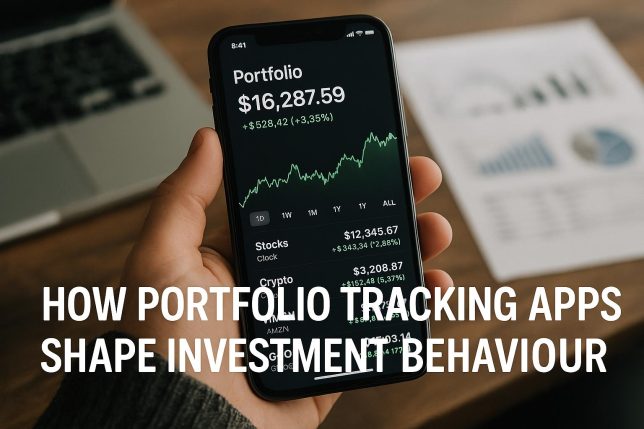
Portfolio tracking apps serve as comprehensive platforms where investors can monitor their financial assets. These apps offer features such as real-time updates on stock prices, asset allocation snapshots, and performance summaries. With capabilities for setting financial goals and receiving alerts, these apps ensure that users remain informed about market developments that may impact their investments. Many apps integrate with brokerage accounts, allowing for seamless tracking and management of assets.

Enhancing Accessibility and Engagement

The introduction of such apps has transformed the accessibility of portfolio management. Investors can now access their financial data anytime and anywhere. This enhanced accessibility fosters greater engagement as investors no longer need to wait for periodic reports to understand their investment’s status. The mobility provided by smartphones or tablets allows for real-time interaction with one’s portfolio.

Strengthening Analytical Capabilities

With the ability to generate detailed analytics, these apps allow investors to dive deeper into their portfolios. They can access breakdowns of asset performance, review historical data, and even forecast potential future trends. By leveraging such analytics, investors can develop better strategies tailored to their personal financial goals.

Integration with Financial Planning Tools

Another critical functionality is the integration with various financial planning tools. Some apps offer features that help with budgeting, tax management, and retirement planning. This integration provides a more holistic view of one’s financial landscape, encouraging a strategic approach that aligns immediate portfolio management with long-term financial planning.

Impact on Investment Behavior

The accessibility and convenience of portfolio tracking apps have a notable impact on investment behavior. By providing investors with instant access to their portfolios, these apps encourage regular monitoring of asset performance. This constant availability of information often fosters a more active engagement with one’s investments. Moreover, by highlighting risk factors and suggesting diversification opportunities, these apps aid in minimizing potential losses.

Developing Risk Awareness

Portfolio tracking apps contribute significantly to cultivating an investor’s risk awareness. Using these apps, investors can better comprehend how specific market changes or economic events impact their portfolios. This heightened awareness prompts users to adjust strategies based on anticipated risks, fostering a proactive approach to monitoring.

Encouraging Disciplined Investment Strategies

Portfolio tracking apps often serve as educational tools, empowering users to develop disciplined investment strategies. Through personalized insights and analytics, investors can better understand the implications of their financial decisions. Many apps offer resources to educate users about market trends, risk management, and asset diversification. This access to knowledge supports a more systematic approach to investment, reducing impulsive decision-making driven by market fluctuations.

Reinforcing Long-Term Focus

The structured data and analysis provided by these apps help reinforce a long-term investment focus. Investors can set specific long-term goals and track progress across various intervals, discouraging impulsive reactions to short-term market volatility. The emphasis on long-term strategy aids users in navigating the complexities of financial markets with greater ease.

Promoting Portfolio Diversification

Users of portfolio tracking apps are frequently reminded of the importance of portfolio diversification. The apps typically provide visualizations that emphasize the benefits of diversifying asset allocations. This encourages investors to consider multiple asset classes beyond traditional stocks and bonds, such as commodities, real estate, and alternative investments. This broadened perspective aids in optimizing overall portfolio performance.

Access to Alternative Investments

One notable aspect of these apps is their ability to highlight alternative investment opportunities often overlooked. This accessibility lets investors venture into less traditional asset classes, potentially partnering in innovative or high-growth spaces.

Potential Drawbacks and Considerations

While portfolio tracking apps offer numerous advantages, users must be mindful of potential pitfalls. The continuous availability of information may lead some investors to overtrade, driven by the temptation to react to every market movement. Additionally, there is a risk of information overload, where an abundance of data may complicate decision-making rather than simplifying it. It’s pertinent that users maintain a balance between informed decision-making and disciplined, long-term investment strategies.

Avoiding Over-Reaction

Investors might face challenges due to the constant bombardment of information, leading to reactionary behavior rather than strategic decisions. Over-reacting to market fluctuations often results in unnecessary trading, which could undermine a well-devised long-term strategy.

Managing Information Overload

With an apps’ ability to provide vast amounts of data, users might suffer from information overload. Making sense of every piece of information without a strategic focus can be overwhelming. Investors should be selective, focusing on insights that align with their financial goals.

Conclusion

Portfolio tracking apps have undeniably transformed investment behavior by providing investors with tools to monitor and manage their portfolios effectively. These apps encourage more frequent and active engagement with investments, promote education and diversification, and support disciplined strategy development. However, it is important for users to approach these tools judiciously, maintaining a balance that leverages their benefits while minimizing any potential drawbacks. For more information on portfolio tracking solutions, you can explore the offerings of leading platforms in the industry.

What modern investors can learn from market dashboards

What modern investors can learn from market dashboards

Introduction to Market Dashboards

In the fast-paced world of finance, understanding how to analyze market data efficiently is crucial for investors. Market dashboards serve as an essential tool, offering real-time insights and allowing investors to track various financial metrics. By examining these dashboards, modern investors can gain a well-rounded view of market conditions, helping them make informed decisions.

The Role of Market Dashboards

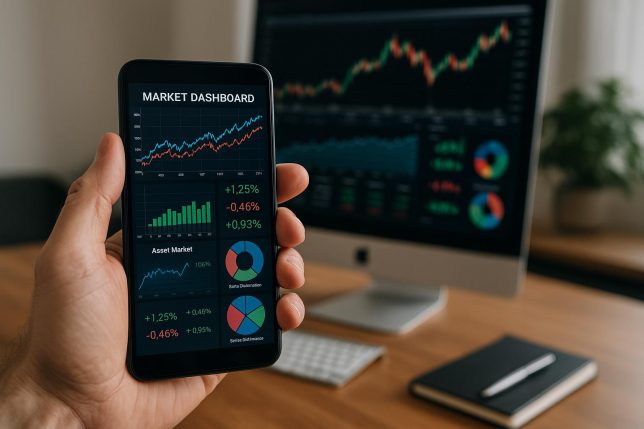
Market dashboards compile a wide array of data, such as stock prices, trading volumes, and financial news, into a single, cohesive interface. This consolidation of information helps to reduce complexity and allows investors to quickly assess market trends. Access to real-time data helps investors react to market changes promptly, potentially giving them an edge over others.

Components of a Market Dashboard

A typical market dashboard includes several essential components that serve various functions for investors:

Stock Performance: This section shows current prices and price changes of selected stocks, which is crucial for day-to-day trading and long-term investment strategies. By monitoring stock performance, investors can make decisions regarding buying or selling stocks based on current market behavior and projections.

Market News: Keeping abreast of financial news and updates is indispensable for making informed decisions. This section compiles headlines and developments that could influence market conditions. Whether it’s a corporate earnings report, government policy change, or geopolitical event, having this information at your fingertips allows investors to gauge potential impacts on their portfolios.

Indices: This component includes major indices like the S&P 500, NASDAQ, and Dow Jones Industrial Average, which collectively serve as crucial indicators of market health. These indices offer a broader overview of how the market is doing, helping investors understand the general economic environment.

Economic Indicators: Featuring key data points such as interest rates and inflation rates, this section provides insights into economic conditions that influence market dynamics. Such indicators are vital for making decisions about future investments as they may signal potential market changes.

Benefits for Investors

Market dashboards offer several advantages that can significantly benefit modern investors. First and foremost, they provide continuous updates, offering a comprehensive view of the market that reduces the need for investors to sift through multiple sources for information. The dashboards present data in an organized, easy-to-digest format, allowing for quicker analysis and decision-making.

Moreover, market dashboards can highlight unusual market activities, prompting timely strategy adjustments. For instance, sudden spikes in trading volumes or unexpected stock price changes can be indicators of underlying market conditions that warrant closer examination. By receiving this information in real-time, investors can make proactive adjustments to their strategies rather than reactive ones.

Analyzing Trends and Patterns

One of the key functions of market dashboards is the ability to identify and analyze trends and patterns. This ability is vital in forecasting future market movements. Unlike traditional methods, dashboards provide visual results, making it easier to spot shifts and assess immediate performance.

For instance, by examining historical data charts available on a dashboard, investors can identify recurring patterns such as market cycles or seasonal trends. These insights enable investors to anticipate potential market movements and adjust their strategies accordingly, ultimately optimizing their investment outcomes.

Risk Management

Effective risk management is indispensable for any investor, and market dashboards contribute significantly to this facet. Dashboards help track volatility and evaluate risk factors, providing insights for creating risk-adjusted strategies. This awareness is particularly helpful during periods of market instability.

For example, if a dashboard indicates increased market volatility, an investor may decide to reduce their exposure to high-risk assets or explore hedging strategies to mitigate potential losses. By doing so, they can protect their portfolio’s value and maintain a balanced investment approach even amidst fluctuating market conditions.

Customizability and Personalization

The ability to customize and personalize market dashboards makes them even more valuable to investors. Often, platforms offer options to tailor the data and layout according to individual preferences, focusing on specific metrics that align with an investor’s unique strategy or areas of interest.

This customization enables investors to filter out the noise and hone in on the critical data that matters most to their investment goals. Whether it’s focusing on stocks in a particular sector, tracking international markets, or keeping an eye on commodities, personalized dashboards provide the flexibility to adapt to various investment styles and objectives.

Facilitating Collaboration and Sharing

Another benefit of market dashboards lies in their potential for collaboration and sharing within investment teams or with external stakeholders. Accessible through cloud-based platforms, these dashboards can be shared among team members, allowing everyone to work from the same set of data when discussing strategies or making decisions.

This collective approach ensures that all team members are on the same page and can contribute insights based on a unified understanding of the market conditions. Furthermore, dashboards can easily be integrated into presentations or reports, providing a professional and visual means to communicate data-driven insights to clients or stakeholders.

Conclusion: Embracing Technology in Investing

The integration of market dashboards in investment strategies marks a significant leap toward more informed and strategic decision-making. By utilizing these tools, modern investors can stay ahead of market trends and react quickly to changes. The practicality and efficiency of market dashboards not only save time but also enhance the overall decision-making process by providing a streamlined way to access and analyze critical market data.

As the financial landscape continues to evolve with advancements in technology, the adoption of market dashboards represents an essential step in embracing these changes. For more information on utilizing technology in investing, you can explore resources such as the Investopedia website.

How sentiment tracking is used in modern trading

How sentiment tracking is used in modern trading

Introduction to Sentiment Tracking in Trading

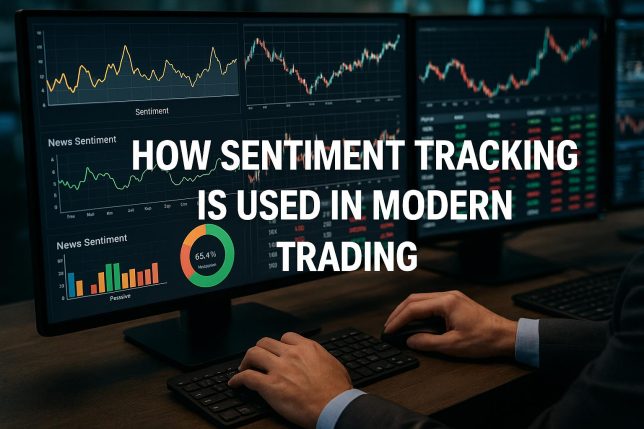
In recent years, sentiment tracking has gained significant traction in the world of modern trading. This method involves analyzing public sentiment, typically gleaned from social media, news sources, and other online platforms, to inform trading decisions. The idea is that by understanding the mood or feeling of a large group of people or a particular market, traders can gain an edge in predicting market movements.

What is Sentiment Analysis?

Sentiment analysis, also known as opinion mining, involves the use of natural language processing (NLP), text analysis, and computational linguistics to identify and extract subjective information from source materials. In the context of trading, this means deciphering whether public sentiment towards a financial instrument is positive, negative, or neutral.

Sources of Sentiment Data

Traders leverage a plethora of sources to gather sentiment data. These include:

Social Media Platforms: Platforms like Twitter and Reddit are popular choices due to their wide user base and rapid dissemination of opinions. Algorithms can be used to scan through posts, tweets, and comments to determine the overall sentiment.

News Articles: News outlets provide valuable insights into public sentiment. Automated tools can scan headlines and entire articles to detect sentiment trends in real-time.

Discussion Forums: Online communities and forums where individuals discuss stocks and markets offer an unfiltered view of public sentiment.

How Sentiment Affects Trading Strategies

Sentiment analysis is incorporated into trading strategies in several ways, often complementing technical and fundamental analysis. Here’s how sentiment data influences trading strategies:

Predicting Market Trends: Positive sentiment toward a particular stock or the broader market often results in increased buying, which can drive prices up. Conversely, negative sentiment can trigger sell-offs. Traders use sentiment data to anticipate these movements.

Risk Management: By understanding the sentiment landscape, traders can gauge the potential volatility of an asset, helping to manage risk more effectively.

Market Sentiment Indicators: Certain tools and indices have been developed that quantify market sentiment, providing traders with a quick snapshot of how positive or negative the current sentiment is.

Challenges in Sentiment Analysis

Despite its advantages, sentiment tracking in trading is not without challenges. Key issues include:

Data Overload: With the vast amount of data generated daily, filtering relevant information from the noise is a significant challenge.

Algorithmic Complexity: Creating algorithms capable of accurately interpreting the nuances of human language—like irony and sarcasm—is complex and can sometimes lead to inaccurate analyses.

Rapid Sentiment Shifts: Sentiment can change rapidly, particularly in response to breaking news or sudden events, making it difficult for traders to act swiftly.

Regulatory Considerations

Traders utilizing sentiment analysis must also be aware of regulatory guidelines. It’s important to consider how sentiment data is collected, processed, and used, ensuring compliance with relevant laws and ethical standards.

The Role of Machine Learning in Sentiment Analysis

In the ever-evolving landscape of sentiment analysis, machine learning plays a crucial role. Machine learning algorithms enhance the ability of sentiment analysis tools to interpret and classify emotion from text. These algorithms can be trained on extensive datasets, allowing them to better handle the complexities of human language. Supervised learning models, unsupervised learning techniques, and deep learning architectures each offer pathways to improve the extraction and interpretation of sentiment data.

Supervised Learning Techniques

Supervised learning methods involve training a model on a labeled dataset, where the outcome (positive, negative, or neutral) is known in advance. This approach allows the algorithm to learn from historical data and make predictions about new, unseen data. Popular supervised learning models like Support Vector Machines (SVM) and Naïve Bayes Classifiers have been effectively used in sentiment analysis.

Unsupervised Learning Methods

In contrast, unsupervised learning methods do not rely on labeled datasets. Instead, these methods discover hidden patterns or intrinsic structures in the input data. Techniques such as clustering and topic modeling can uncover underlying themes within sentiment data, providing additional layers of insight for traders.

Deep Learning’s Impact

Deep learning, particularly through models like convolutional neural networks (CNN) and recurrent neural networks (RNN), has revolutionized sentiment analysis. These models excel at capturing complex patterns and dependencies within data. RNNs, particularly those utilizing Long Short-Term Memory (LSTM) cells, are adept at handling sequential data, making them suitable for sentiment analysis tasks where the context and order of words matter.

Integrating Sentiment Analysis with Other Trading Technologies

The integration of sentiment analysis with other trading technologies such as algorithmic trading and high-frequency trading (HFT) represents the next frontier for traders. By aligning sentiment signals with algorithmic strategies, traders can automate and optimize their decision-making processes. For instance, real-time sentiment data can be fed into trading algorithms that execute trades on the fly, responding instantly to shifts in market mood.

Algorithmic Trading Enhancements

Algorithmic trading systems can be enhanced by incorporating sentiment analysis insights, thus allowing for more nuanced trading decisions. These systems can dynamically adjust their strategies based on the current sentiment, optimizing entry and exit points, and scaling positions in response to emotional cues from the market.

High-Frequency Trading Synergy

For high-frequency trading, where speed is paramount, the ability to incorporate sentiment data swiftly provides a competitive advantage. The rapid processing capabilities of HFT platforms, combined with real-time sentiment insights, enable traders to capitalize on fleeting market opportunities driven by shifts in public mood.

Conclusion

Sentiment tracking is an increasingly important tool in modern trading strategies. By analyzing and interpreting the emotions and opinions expressed by the public, traders can gain insights that complement traditional analysis methods. Despite its challenges, when used effectively, sentiment analysis can be a powerful predictor of market movements. For those interested in exploring this method further, a variety of resources and platforms are available to support sentiment-based trading strategies.