
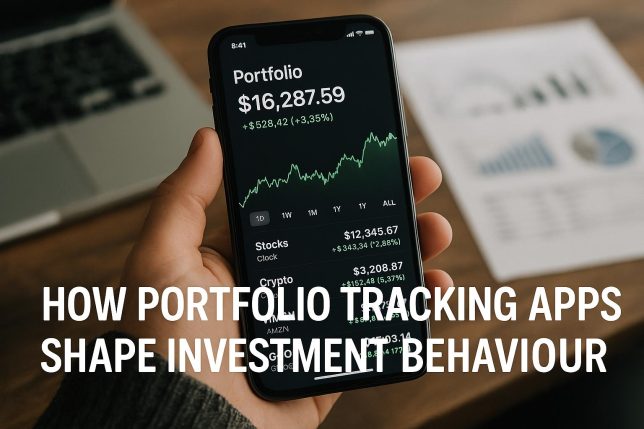
Introduction to Portfolio Tracking Apps
In recent years, portfolio tracking apps have become an essential tool for investors striving to manage their investments efficiently. These apps, which provide real-time tracking of financial assets, have influenced how individuals perceive and engage with their investment portfolios. By analyzing data, generating reports, and offering insights, portfolio tracking apps guide investors towards more informed decision-making.
The Functionality of Portfolio Tracking Apps
Portfolio tracking apps serve as comprehensive platforms where investors can monitor their financial assets. These apps offer features such as real-time updates on stock prices, asset allocation snapshots, and performance summaries. With capabilities for setting financial goals and receiving alerts, these apps ensure that users remain informed about market developments that may impact their investments. Many apps integrate with brokerage accounts, allowing for seamless tracking and management of assets.
Enhancing Accessibility and Engagement
The introduction of such apps has transformed the accessibility of portfolio management. Investors can now access their financial data anytime and anywhere. This enhanced accessibility fosters greater engagement as investors no longer need to wait for periodic reports to understand their investment’s status. The mobility provided by smartphones or tablets allows for real-time interaction with one’s portfolio.
Strengthening Analytical Capabilities
With the ability to generate detailed analytics, these apps allow investors to dive deeper into their portfolios. They can access breakdowns of asset performance, review historical data, and even forecast potential future trends. By leveraging such analytics, investors can develop better strategies tailored to their personal financial goals.
Integration with Financial Planning Tools
Another critical functionality is the integration with various financial planning tools. Some apps offer features that help with budgeting, tax management, and retirement planning. This integration provides a more holistic view of one’s financial landscape, encouraging a strategic approach that aligns immediate portfolio management with long-term financial planning.
Impact on Investment Behavior
The accessibility and convenience of portfolio tracking apps have a notable impact on investment behavior. By providing investors with instant access to their portfolios, these apps encourage regular monitoring of asset performance. This constant availability of information often fosters a more active engagement with one’s investments. Moreover, by highlighting risk factors and suggesting diversification opportunities, these apps aid in minimizing potential losses.
Developing Risk Awareness
Portfolio tracking apps contribute significantly to cultivating an investor’s risk awareness. Using these apps, investors can better comprehend how specific market changes or economic events impact their portfolios. This heightened awareness prompts users to adjust strategies based on anticipated risks, fostering a proactive approach to monitoring.
Encouraging Disciplined Investment Strategies
Portfolio tracking apps often serve as educational tools, empowering users to develop disciplined investment strategies. Through personalized insights and analytics, investors can better understand the implications of their financial decisions. Many apps offer resources to educate users about market trends, risk management, and asset diversification. This access to knowledge supports a more systematic approach to investment, reducing impulsive decision-making driven by market fluctuations.
Reinforcing Long-Term Focus
The structured data and analysis provided by these apps help reinforce a long-term investment focus. Investors can set specific long-term goals and track progress across various intervals, discouraging impulsive reactions to short-term market volatility. The emphasis on long-term strategy aids users in navigating the complexities of financial markets with greater ease.
Promoting Portfolio Diversification
Users of portfolio tracking apps are frequently reminded of the importance of portfolio diversification. The apps typically provide visualizations that emphasize the benefits of diversifying asset allocations. This encourages investors to consider multiple asset classes beyond traditional stocks and bonds, such as commodities, real estate, and alternative investments. This broadened perspective aids in optimizing overall portfolio performance.
Access to Alternative Investments
One notable aspect of these apps is their ability to highlight alternative investment opportunities often overlooked. This accessibility lets investors venture into less traditional asset classes, potentially partnering in innovative or high-growth spaces.
Potential Drawbacks and Considerations
While portfolio tracking apps offer numerous advantages, users must be mindful of potential pitfalls. The continuous availability of information may lead some investors to overtrade, driven by the temptation to react to every market movement. Additionally, there is a risk of information overload, where an abundance of data may complicate decision-making rather than simplifying it. It’s pertinent that users maintain a balance between informed decision-making and disciplined, long-term investment strategies.
Avoiding Over-Reaction
Investors might face challenges due to the constant bombardment of information, leading to reactionary behavior rather than strategic decisions. Over-reacting to market fluctuations often results in unnecessary trading, which could undermine a well-devised long-term strategy.
Managing Information Overload
With an apps’ ability to provide vast amounts of data, users might suffer from information overload. Making sense of every piece of information without a strategic focus can be overwhelming. Investors should be selective, focusing on insights that align with their financial goals.
Conclusion
Portfolio tracking apps have undeniably transformed investment behavior by providing investors with tools to monitor and manage their portfolios effectively. These apps encourage more frequent and active engagement with investments, promote education and diversification, and support disciplined strategy development. However, it is important for users to approach these tools judiciously, maintaining a balance that leverages their benefits while minimizing any potential drawbacks. For more information on portfolio tracking solutions, you can explore the offerings of leading platforms in the industry.
This article was last updated on: June 25, 2026