
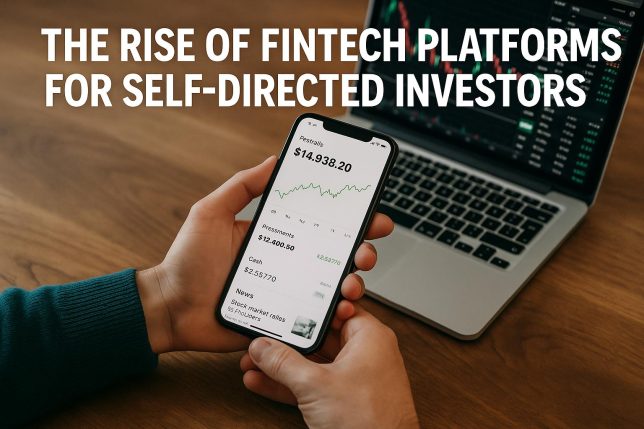
The Growth of Fintech Platforms
The landscape of investing has undergone a significant transformation with the introduction and growth of fintech platforms. These technological innovations have reshaped the way individuals engage with their investments, enabling self-directed investors to take control of their financial journeys. By providing tools and resources traditionally reserved for the professional sphere, fintech platforms empower investors of all levels with the knowledge and capabilities to manage their portfolios effectively.
Understanding Fintech Platforms
Fintech, an amalgamation of finance and technology, signifies the incorporation of modern technological advancements into the financial sector to streamline and enhance financial services and operations. Fintech platforms are the embodiment of this integration, offering users the ability to engage directly with financial markets. Through these platforms, investors have access to various products, encompassing everything from traditional stocks and bonds to more contemporary offerings like cryptocurrencies. The systems are designed to cater to the needs of modern investors by concentrating a suite of services—spanning research, trading, and analysis—within a single, user-friendly interface.
Key Features and Benefits
One of the most profound impacts of fintech platforms is the democratization of investing. In the past, access to a full array of investment opportunities was largely limited to those with significant resources and professional connections. Fintech platforms have shattered these barriers. They offer broad access to a diverse range of financial instruments, ensuring that retail investors can now easily obtain access to markets and opportunities once considered exclusive.
The cost structure of these platforms is another appealing factor. Traditional brokerage services tend to come with hefty fees, which can eat into potential returns. In contrast, fintech platforms often charge lower fees, making the process of investing more accessible and cost-efficient. This reduction in costs allows investors to retain more of their capital and potentially enhance their net returns over time.
Analytical capabilities are another considerable advantage. Fintech platforms often incorporate cutting-edge analytical tools that help investors make informed decisions. These tools can include access to real-time data streams, sophisticated stock screeners, and customizable dashboards. Such features empower investors to conduct in-depth analyses, tailoring investments to align with their financial goals and risk tolerance.
User Experience and Interface
Central to the appeal of fintech platforms is their focus on user experience. They are designed with accessibility in mind, aiming to cater to both novice investors and seasoned professionals. The intuitive navigation structures and step-by-step tutorials offered by many platforms simplify the investment process. Users can quickly learn how to manage and optimize their portfolios without external assistance, fostering a sense of independence and control over their financial decisions.
Challenges and Considerations
Despite the numerous advantages of fintech platforms, prospective users should be mindful of certain challenges. The convenience and speed with which trades can be executed may inadvertently lead investors to make hasty decisions that aren’t backed by thorough research. The abundance of available information, while beneficial, can also be overwhelming, leading to analysis paralysis or impulsive decision-making.
Security remains a paramount concern for both platforms and users. As digital financial services expand, the necessity for robust security measures has grown. Investors must ensure they choose platforms that implement comprehensive security protocols, such as encryption technologies and two-factor authentication, to safeguard their financial and personal data from potential breaches.
Regulatory Environment
The proliferation of fintech platforms has caught the attention of regulatory bodies, which are now scrutinizing these services more closely. Regulations can vary significantly depending on the region, but generally focus on ensuring transparency, fair trading practices, and investor protection. It is vital for investors to familiarize themselves with the regulatory environment in which a platform operates. Understanding these regulations can arm investors with the knowledge needed to make informed decisions, selecting platforms that not only meet their investment needs but also adhere to local regulatory standards.
Emerging Trends
The fintech industry is dynamic, with recent trends significantly shaping its future trajectory. One of the most impactful developments is the integration of artificial intelligence (AI) and machine learning technologies within these platforms. These innovations enable more personalized investment recommendations, as the platforms learn user preferences and craft tailored solutions accordingly.
Additionally, the emergence of decentralized finance (DeFi) platforms presents a growing alternative to traditional financial services. These blockchain-based systems offer novel ways for individuals to engage with financial assets, independent of established banking infrastructures. As the DeFi movement gains momentum, it continues to expand the array of options available to self-directed investors, providing greater flexibility and control over their investments.
Conclusion
Over the years, fintech platforms have become a powerful ally for self-directed investors, offering unprecedented access to financial markets, products, and sophisticated analytical tools. These platforms have obliterated traditional barriers, granting individuals the opportunity to harness investment opportunities once deemed beyond reach. However, while the benefits are significant, it remains crucial for investors to engage in comprehensive research and cautiously weigh the potential risks associated with any financial endeavor. As technology progresses, the fintech landscape is poised to evolve further, likely introducing innovative solutions that cater to investors’ desires for autonomy and control over their financial destinies.
This article was last updated on: June 26, 2026