
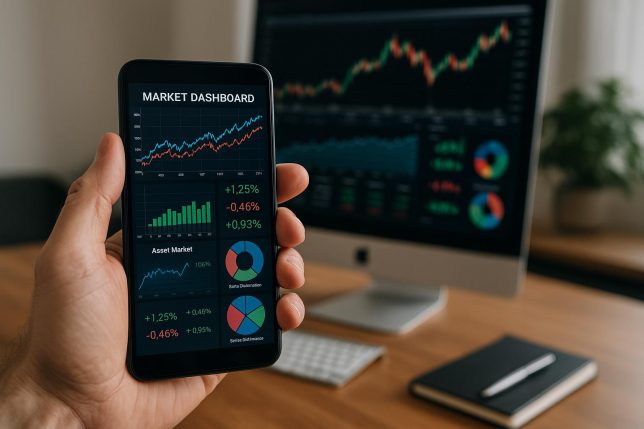
Introduction to Market Dashboards
In the fast-paced world of finance, understanding how to analyze market data efficiently is crucial for investors. Market dashboards serve as an essential tool, offering real-time insights and allowing investors to track various financial metrics. By examining these dashboards, modern investors can gain a well-rounded view of market conditions, helping them make informed decisions.
The Role of Market Dashboards
Market dashboards compile a wide array of data, such as stock prices, trading volumes, and financial news, into a single, cohesive interface. This consolidation of information helps to reduce complexity and allows investors to quickly assess market trends. Access to real-time data helps investors react to market changes promptly, potentially giving them an edge over others.
Components of a Market Dashboard
A typical market dashboard includes several essential components that serve various functions for investors:
Stock Performance: This section shows current prices and price changes of selected stocks, which is crucial for day-to-day trading and long-term investment strategies. By monitoring stock performance, investors can make decisions regarding buying or selling stocks based on current market behavior and projections.
Market News: Keeping abreast of financial news and updates is indispensable for making informed decisions. This section compiles headlines and developments that could influence market conditions. Whether it’s a corporate earnings report, government policy change, or geopolitical event, having this information at your fingertips allows investors to gauge potential impacts on their portfolios.
Indices: This component includes major indices like the S&P 500, NASDAQ, and Dow Jones Industrial Average, which collectively serve as crucial indicators of market health. These indices offer a broader overview of how the market is doing, helping investors understand the general economic environment.
Economic Indicators: Featuring key data points such as interest rates and inflation rates, this section provides insights into economic conditions that influence market dynamics. Such indicators are vital for making decisions about future investments as they may signal potential market changes.
Benefits for Investors
Market dashboards offer several advantages that can significantly benefit modern investors. First and foremost, they provide continuous updates, offering a comprehensive view of the market that reduces the need for investors to sift through multiple sources for information. The dashboards present data in an organized, easy-to-digest format, allowing for quicker analysis and decision-making.
Moreover, market dashboards can highlight unusual market activities, prompting timely strategy adjustments. For instance, sudden spikes in trading volumes or unexpected stock price changes can be indicators of underlying market conditions that warrant closer examination. By receiving this information in real-time, investors can make proactive adjustments to their strategies rather than reactive ones.
Analyzing Trends and Patterns
One of the key functions of market dashboards is the ability to identify and analyze trends and patterns. This ability is vital in forecasting future market movements. Unlike traditional methods, dashboards provide visual results, making it easier to spot shifts and assess immediate performance.
For instance, by examining historical data charts available on a dashboard, investors can identify recurring patterns such as market cycles or seasonal trends. These insights enable investors to anticipate potential market movements and adjust their strategies accordingly, ultimately optimizing their investment outcomes.
Risk Management
Effective risk management is indispensable for any investor, and market dashboards contribute significantly to this facet. Dashboards help track volatility and evaluate risk factors, providing insights for creating risk-adjusted strategies. This awareness is particularly helpful during periods of market instability.
For example, if a dashboard indicates increased market volatility, an investor may decide to reduce their exposure to high-risk assets or explore hedging strategies to mitigate potential losses. By doing so, they can protect their portfolio’s value and maintain a balanced investment approach even amidst fluctuating market conditions.
Customizability and Personalization
The ability to customize and personalize market dashboards makes them even more valuable to investors. Often, platforms offer options to tailor the data and layout according to individual preferences, focusing on specific metrics that align with an investor’s unique strategy or areas of interest.
This customization enables investors to filter out the noise and hone in on the critical data that matters most to their investment goals. Whether it’s focusing on stocks in a particular sector, tracking international markets, or keeping an eye on commodities, personalized dashboards provide the flexibility to adapt to various investment styles and objectives.
Facilitating Collaboration and Sharing
Another benefit of market dashboards lies in their potential for collaboration and sharing within investment teams or with external stakeholders. Accessible through cloud-based platforms, these dashboards can be shared among team members, allowing everyone to work from the same set of data when discussing strategies or making decisions.
This collective approach ensures that all team members are on the same page and can contribute insights based on a unified understanding of the market conditions. Furthermore, dashboards can easily be integrated into presentations or reports, providing a professional and visual means to communicate data-driven insights to clients or stakeholders.
Conclusion: Embracing Technology in Investing
The integration of market dashboards in investment strategies marks a significant leap toward more informed and strategic decision-making. By utilizing these tools, modern investors can stay ahead of market trends and react quickly to changes. The practicality and efficiency of market dashboards not only save time but also enhance the overall decision-making process by providing a streamlined way to access and analyze critical market data.
As the financial landscape continues to evolve with advancements in technology, the adoption of market dashboards represents an essential step in embracing these changes. For more information on utilizing technology in investing, you can explore resources such as the Investopedia website.
This article was last updated on: June 12, 2026