
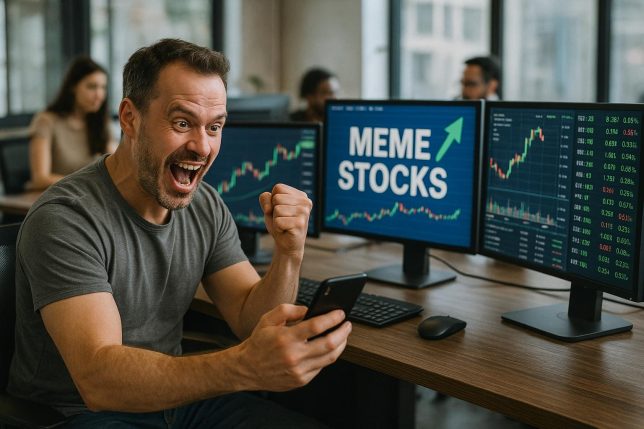
The Phenomenon of Meme Stocks
The financial landscape has undergone a significant shift with the emergence of meme stocks. This new trend is primarily driven by a unique combination of social media influence and retail investor enthusiasm. Meme stocks are popularized via platforms like WallStreetBets on Reddit, leading to substantial volatility and unexpected stock surges.
Understanding Meme Stocks
Meme stocks refer to shares in companies that gain popularity through social media platforms rather than through the company’s performance metrics or fundamentals. This phenomenon often results in rapid price increases, primarily due to the collective actions of retail investors who band together to buy and hold certain stocks.
The Role of Social Media
Social media plays a crucial role in promoting meme stocks. Platforms like Reddit, Twitter, and others serve as forums for investors to discuss and advise on potential stock investments. These discussions often include both serious analysis and more whimsical, meme-driven content aimed at persuading members to invest collectively in specific stocks.
Social media’s democratizing effect allows individuals from different backgrounds and knowledge levels to share insights and strategies. This collective intelligence pool enables the amplification of stock potentials that might have otherwise gone unnoticed by traditional analysts. Additionally, social media introduces a new type of shareholder activism, where the power of collective voices rivals that of more significant institutional shareholders. These factors ultimately lead to the viral spread of information and a surge in stock purchases.
Moreover, multimedia elements such as videos and infographics are frequently utilized on these platforms to make complex financial information more digestible and attractive. This visual approach caters to a wider audience, simplifying stock market dynamics and encouraging even novice investors to participate. The engaging nature of these platforms also means that once a meme stock starts trending, it can rapidly gain momentum, fueled by virality and peer validation.
The Impact of Retail Investors
Retail investors have become more influential in the stock market, partly due to easy access to trading platforms and low-cost brokerage services. Platforms such as Robinhood have empowered these investors, allowing them without substantial capital to participate actively in the market and influence stock prices alongside institutional investors.
This growing presence of retail investors democratizes stock market participation, challenging traditional power structures that were dominated by financial institutions. Retail investors now have access to real-time data and analytics tools that previously required more significant investments. They are, therefore, not only participants but active influencers shaping market trends.
However, the underpinning of this mass participation is technology. Mobile trading apps have gamified investing, with intuitive interfaces and features such as notifications for trade opportunities, news alerts, and community forums providing a holistic trading experience. These features create an engaging platform that encourages frequent interactions and decision-making among users while also providing educational resources to drive informed investment choices.
Volatility and Risks Associated with Meme Stocks
The intense speculation surrounding meme stocks naturally leads to extreme volatility. While some investors see significant gains, others may face considerable losses when market momentum shifts. The unpredictable nature of these stocks can pose risks, making it crucial for investors to be cautious and stay informed.
Investing in meme stocks is inherently speculative, with prices frequently disconnected from the traditional metrics of company performance. The volatility arises from rapid buy-and-sell movements, triggered by social media hype rather than indicative market analysis.
While many investors view meme stocks as an opportunity to gain substantial returns in a short period, the lack of predictability poses significant challenges. Prices can soar within hours but can also plummet just as quickly. These fluctuations require investors to have a clear exit strategy and the agility to respond swiftly to market changes.
Moreover, the emotional dynamics in these markets often replace traditional financial analysis, making risk management a challenge. Because decisions are heavily influenced by group sentiment, the risk of panic selling or herd behavior escalates, increasing potential losses if not carefully managed.
Regulatory and Market Implications
The surge in meme stocks has caught the attention of regulatory bodies and financial analysts. There is an ongoing debate about whether more stringent regulations are necessary to prevent market manipulation and protect small investors from potentially predatory practices.
Market regulators are concerned with the susceptibility of retail investors to market manipulations and the potential systemic risks posed by erratic stock movements. In response, they are considering enhanced scrutiny over trading platforms and social media forums to ensure compliance with financial laws and prevent misinformation.
Additionally, some experts argue for regulatory frameworks that enhance transparency in social media influence over stock markets. This includes monitoring large influencers with substantial sway on stock price fluctuations. Ensuring that small investors are adequately protected means balancing free market activities with preventive measures against fraud and manipulation.
Future of Crowd-Driven Trading
As technology continues to evolve, the influence of crowd-driven trading is likely to grow. New tools and platforms may emerge, offering more sophisticated analytics to retail investors. The financial industry must adapt to these changes, ensuring that the market remains fair and accessible to all participants.
These technological advancements might include AI-driven analytics tools that offer retail investors real-time insights and alternative investment strategies tailored to their risk appetites. Decentralized finance (DeFi) developments can further change the landscape by eliminating traditional intermediaries, giving way to more autonomous trading environments.
Educating investors within these platforms will be crucial. Providing easy access to learning resources, coupled with mentorship programs and community-driven insights, can enhance investment decision-making and minimize potential losses.
Conclusion
Meme stocks represent a paradigm shift in the financial market, driven by community engagement and digital communication. As these dynamics continue to unfold, both opportunities and challenges will arise, shaping the future of trading and investment strategies.
Although currently characterized by volatility and speculative appeal, meme stocks signal a move towards a more democratized form of trading. A future wherein informed retail investors play a pivotal role in determining market evolution could fundamentally alter how we perceive stock investments and economic power dynamics.
Overall, balancing enthusiasm and caution remains key, with the potential for innovative trading models making the financial market more inclusive and participatory than ever before.
This article was last updated on: August 25, 2026