
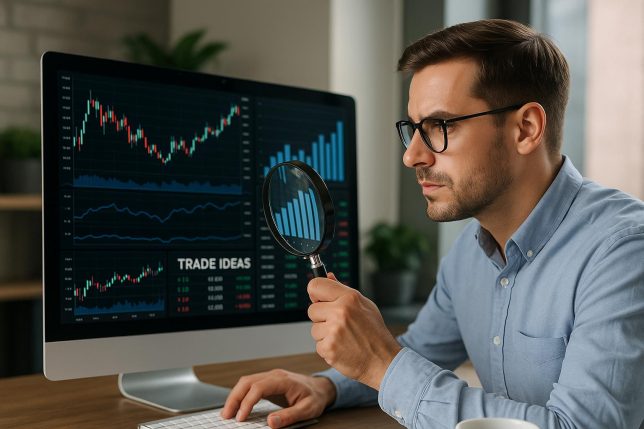
Understanding Modern Market Complexity
In the fast-evolving landscape of modern financial markets, filtering trade ideas has become increasingly challenging yet vital for success. The integration of technology and globalization has expanded the array of available instruments and increased the speed at which market conditions change. Investors must navigate this complexity to identify viable trade opportunities.
Leveraging Technological Tools
Modern tools and platforms have transformed how traders analyze potential opportunities. The rise of algorithmic trading systems and artificial intelligence (AI) represents a significant shift in trading practices, offering sophisticated data analysis capabilities. Unlike traditional methods, these advanced technologies can process vast amounts of data in a fraction of the time, uncovering patterns and insights that might remain hidden through manual analysis. Traders are now harnessing these tools for more accurate predictions and strategy development.
For those interested in exploring AI tools for trading, educational resources and specialized platforms are invaluable. These resources elucidate the intricacies of algorithmic strategies and AI applications tailored for financial markets. They provide a comprehensive understanding that is essential for novice traders looking to acquire a technological edge and for seasoned investors aiming to refine their strategies.
Data Utilization and Analytical Methods
The significance of data-driven decision-making cannot be overstated in contemporary trading. As markets grow more complex, fundamental analysis must be complemented by advanced technical analysis to maintain an edge. Traders now frequently employ real-time data to monitor market fluctuations. Such instant access to data allows them to assess investor sentiment quantitatively and forecast future trends with greater precision.
Advanced traders integrate backtesting tools into their strategy development process. By simulating the performance of proposed trading strategies based on historical data, traders can gain an empirical basis for their decisions. This practice improves the likelihood of identifying effective trading ideas and thus executing successful trades.
Focus on Diversification and Risk Management
Diversification remains a cornerstone strategy in filtering viable trade ideas. Modern markets exhibit intricate interdependencies, which necessitates varied investing to mitigate risks associated with market volatility. A diverse portfolio can absorb shocks from specific sectors, thereby balancing overall risk. In this context, traders often use derivatives as hedging instruments. Options and futures contracts, for instance, allow hedging against potential losses without a significant capital outlay, enhancing a trader’s ability to manage risk effectively.
Risk management strategies are equally crucial. Implementing tools such as stop-loss orders and risk assessment models enables traders to define acceptable risk levels, ensuring that potential losses do not exceed predetermined limits. These tools provide the flexibility needed to react swiftly to adverse market movements, safeguarding invested capital.
Continuous Learning and Adaptation
The trading landscape is dynamic, necessitating continuous learning and adaptability. Traders must stay abreast of ever-changing market trends, technological advancements, and geopolitical events, all of which could impact market behavior. Engaging with financial news platforms and market analysis sites proves beneficial for staying informed and gaining fresh insights into potential trade opportunities.
Moreover, keeping pace with the latest in trading education is invaluable. This ongoing educational process facilitates informed decision-making and aids in the refinement of trading strategies. Understanding new market regulations, financial instruments, and emerging technologies can significantly impact a trader’s strategy and success rate.
In conclusion, filtering trade ideas in modern markets requires a combination of technological proficiency, data utilization, and sound risk management practices. By leveraging technological tools, continuously analyzing data, and staying informed about market developments, traders can enhance their ability to generate and execute successful trade ideas. The strategic application of these elements ensures that traders not only survive but thrive in the complexities of modern financial markets.