
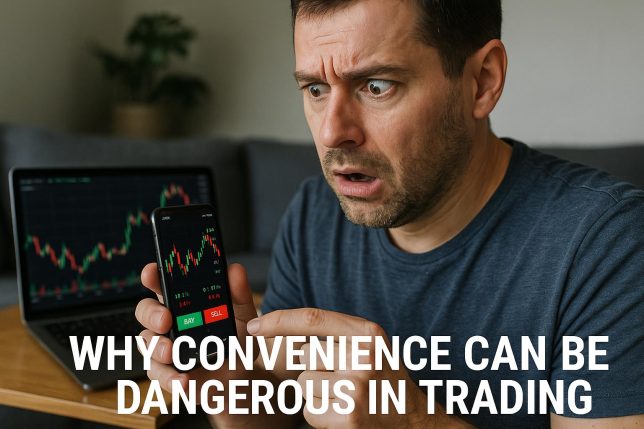
Understanding the Risks of Convenience in Trading
Trading in financial markets has experienced a transformative evolution with the advent of modern technology. The emergence of online trading platforms and mobile applications has democratized trading, making it more accessible and user-friendly than ever before. However, while advancements have paved the way for a more inclusive trading environment, they have also introduced certain risks that traders need to be vigilant about.
The Lure of Instant Gratification
The current landscape of trading is characterized by its ability to allow transactions to be executed swiftly and efficiently, often at the touch of a button or the tap of a screen. This swiftness of execution can, however, become a double-edged sword. The convenience offered can engender a tendency towards impulsive decision-making. When trades can be initiated or closed rapidly, it can create a false sense of control over market dynamics. Such a perception may lead traders to prioritize the immediate satisfaction derived from participating in the market over the cautious, methodical evaluation of potential risks and rewards. This environment can foster a preference for instant gratification, where the act of trading becomes more about the process than the outcome.
Overtrading: A Hidden Pitfall
Another significant issue arising from the convenience of trading platforms is the tendency towards overtrading. Traders, enticed by the ease with which transactions can be conducted, might be inclined to execute an excessive number of trades. Overtrading not only increases exposure to inherent market volatility but also results in higher transaction costs. The cumulative effect of frequently incurring transaction fees can significantly erode any profitability. Moreover, the psychological burden of continuous trading can be detrimental to a trader’s well-being, potentially leading to stress or burnout. This underscores the importance of restraint and deliberation when engaging with financial markets.
Relying on Unreliable Information
In today’s information age, traders have unprecedented access to a vast array of data, ranging from live market updates to social media-driven sentiment analysis. While this wealth of information can empower traders to make informed decisions, it also comes with inherent risks. Not all information available online is accurate or credible. Trading platforms that aggregate news feeds and social networks might provide data that is not rigorously verified. Thus, traders who fail to critically assess and confirm the reliability of such information may find themselves making erroneous decisions based on flawed data. It is crucial for traders to exercise discernment and seek information from credible and trustworthy sources.
The Danger of Automated Trading
The rise of automated trading technologies, including algorithms and bots, represents both an opportunity and a challenge. These tools can enhance trading efficiency by executing strategies based on predefined criteria, removing the emotional aspect of decision-making. However, they are not infallible. Automated systems lack the human ability to interpret market sentiment and are susceptible to errors in volatile or unpredictable market conditions. Additionally, technical failures or inadequately designed algorithms can result in serious financial repercussions. Traders relying on automation need to ensure that these systems are well-constructed and thoroughly tested, complementing automated tools with human oversight and intervention when necessary.
Complacency: An Underestimated Risk
The simplicity and accessibility of modern trading can inadvertently lead to complacency. When trading activities are perceived as effortless, traders might overlook critical best practices. These include diligent research, ongoing market analysis, and the adherence to a disciplined trading strategy. Complacency can result in traders being ill-prepared for unforeseen market shifts, thereby exposing them to amplified risks and potential losses. Thus, maintaining a proactive and engaged approach to trading is essential for mitigating this hidden risk.
Maintaining a Balanced Approach
To navigate the complexities and potential dangers inherent in the convenience of trading, it is crucial for traders to maintain a balanced, well-informed approach. This involves implementing a clear and robust strategy, conducting thorough risk assessments, and choosing reputable trading platforms that offer transparency and reliability. Continuous education about market trends and emerging trading tools can greatly enhance a trader’s ability to make prudent decisions. Resources from financial experts, alongside educational content available on platforms like Investopedia, can be invaluable in helping traders stay informed and disciplined.
In conclusion, while convenience has undoubtedly transformed the trading landscape, traders must remain cognizant of the associated risks. By adopting a disciplined and strategic mindset, traders can effectively manage these risks and increase their likelihood of achieving success in the long term. Understanding the balance between embracing technological advancements and safeguarding against potential pitfalls is key to thriving in today’s dynamic trading environment.
This article was last updated on: July 25, 2026