
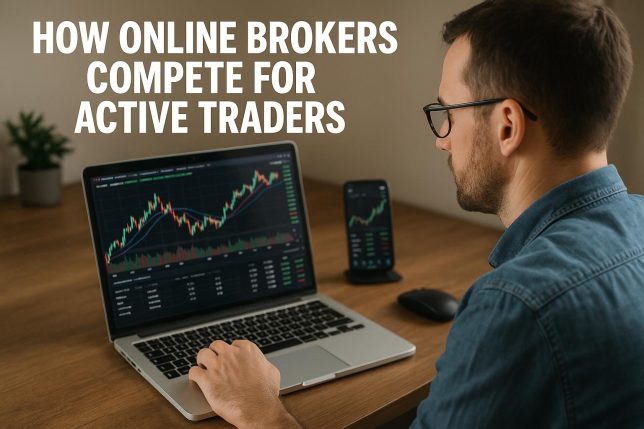
Introduction to Online Brokers and Active Traders
In the fast-paced world of financial markets, online brokers are perpetually vying for the attention and business of active traders. The rise of digital trading platforms has revolutionized how traders engage with markets, offering convenience, speed, and a wide array of tools. This competition among brokers often benefits the active traders who seek specific advantages tailored to their trading style.
Understanding the Active Trader
Active traders are individuals or entities that frequently buy and sell securities, often aiming to capitalize on short-term market movements. Unlike long-term investors, active traders typically seek rapid executions, access to advanced trading tools, and competitive pricing structures. Consequently, brokers are keen on attracting this segment by offering features that appeal directly to their needs.
Technology and Platform Offerings
One primary competition arena is technological advancements and the quality of trading platforms. Online brokers invest heavily in developing intuitive and robust platforms equipped with advanced charting tools, analytical capabilities, and algorithmic trading support. These platforms are designed to provide traders with a seamless and efficient trading experience, often functioning both on desktops and mobile devices for flexibility. The ability to integrate third-party applications or plugins into these platforms also stands as a notable feature, allowing traders to optimize their trading interface according to their preferences.
Moreover, brokers frequently evaluate user feedback to enhance these platforms. Regular updates ensure compatibility with the latest technology trends, providing traders with continuous improvements such as faster execution speeds and smoother user interfaces. The integration of artificial intelligence to predict market trends or deliver personalized insights is becoming more common, underscoring the race among brokers to leverage technology in offering value-added services.
Competitive Pricing Structures
Pricing is a critical factor for active traders who execute numerous transactions. Online brokers compete by offering competitive commission rates, zero commission trading on certain products, and low spreads. Some brokers also provide rebates or volume-based pricing incentives to reward high-frequency traders. Detailed breakdowns of these cost structures are often a deciding factor for traders choosing a broker.
Furthermore, the transparency of fee structures is paramount. Brokers that can present clear and concise fee calculations tend to gain favor, as traders wish to avoid unexpected costs. This aspect of the brokerage service often involves comparing fees associated with trading different asset classes, such as stocks, options, or futures, leading traders to select brokers that best align with their trading strategies from a cost perspective.
Innovative Tools and Features
In addition to platform performance and pricing, brokers differentiate themselves by offering innovative tools and features. These may include educational resources, such as webinars and tutorials, as well as research tools with real-time data feeds, news updates, and market analysis. Some brokers also provide proprietary indicators and risk management tools to empower traders in making informed decisions.
Brokers often develop unique analytical tools that utilize big data analytics, offering users insights into market trends that may not be readily apparent. Such resources are especially beneficial for traders seeking an edge, as they can integrate these findings into their trading strategies. Social trading features that allow traders to follow and replicate the strategies of successful peers have also gained traction, fostering a sense of community while offering additional learning opportunities.
Customization and Personalization
Active traders may also look for a certain level of customization and personalization in their trading experience. Brokers cater to this demand by allowing traders to customize their interfaces, set alerts, and create watchlists tailored to specific interests and strategies. Personalized support through dedicated account managers or chat support also enhances the trader’s experience.
Many brokers now offer API access, enabling traders to develop custom trading algorithms or applications that execute trades based on a set of predetermined criteria. This level of customization ensures that traders can pursue highly individualized strategies that align with personal trading philosophies. Furthermore, personalized dashboards and reporting capabilities allow traders to monitor performance metrics and adjust their tactics accordingly.
Regulatory Compliance and Security
Another important consideration is the broker’s adherence to regulatory standards and the security of funds and data. Traders prioritize brokers who are transparent about their regulatory status and offer robust security measures such as two-factor authentication and encryption technologies. Ensuring a broker complies with international and local regulations is critical, as it provides a layer of protection regarding the integrity of market operations.
Security remains a key focus, particularly given the rising incidents of cyber threats. Reputable brokers employ stringent security protocols and are proactive in educating their clients on safe trading practices. Regular audits and transparency reports are often published to reassure traders about the safety and reliability of the trading environment.
Conclusion
In conclusion, the competition among online brokers for active traders is fierce and multifaceted. Brokers continually innovate to provide superior platforms, competitive pricing, cutting-edge tools, and personalized experiences. This dynamic environment benefits active traders by providing them with a diverse array of options tailored to optimize their trading activities. For those interested in learning more about specific broker offerings, it is recommended to visit the official websites of brokers to compare and evaluate their features and services comprehensively.
As online trading continues to evolve, the emphasis on user experience, technological integration, and strategic alignment with trader needs are set to shape the future of brokerage services. The interplay of these factors creates a challenging yet rewarding landscape for active traders, who stand to benefit from an ecosystem designed around agility, precision, and adaptability in meeting their trading objectives.
This article was last updated on: September 18, 2026